
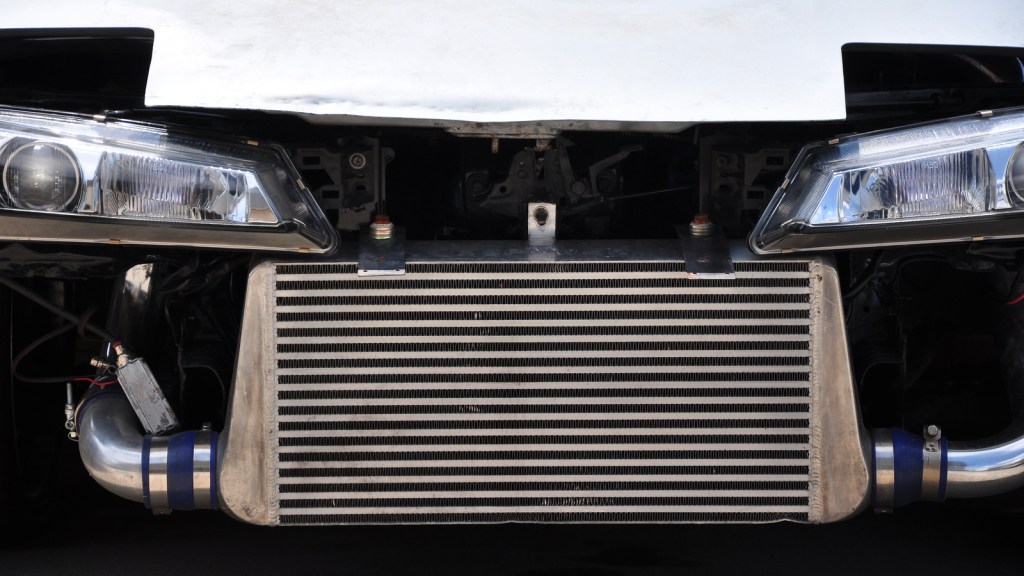
When it comes to improving engine performance, many vehicle owners focus on tuning, exhaust upgrades, or turbochargers. However, one component that plays a critical role in delivering consistent power and engine reliability is often overlooked—the performance intercooler. Designed to reduce intake air temperatures, performance intercoolers help engines breathe better, produce more power, and operate more efficiently under demanding conditions.
Whether you drive a turbocharged daily commuter or a high-performance vehicle built for speed, upgrading to a performance intercooler can deliver noticeable gains.
What Is a Performance Intercooler?
A performance intercooler is a heat exchanger used primarily in turbocharged and supercharged engines. Its main function is to cool the compressed air coming from the turbocharger before it enters the engine’s intake manifold. As air is compressed, it heats up, and hot air is less dense, containing less oxygen for combustion.
By cooling this air, a performance intercooler increases air density, allowing more oxygen into the combustion chamber. The result is improved combustion efficiency, increased horsepower, and reduced risk of engine knock.
Why Intake Air Temperature Matters
Lower intake air temperatures directly impact engine performance. Hot air leads to reduced power output and inconsistent throttle response, especially during extended driving or high-load situations. Performance intercoolers maintain stable air temperatures, ensuring the engine performs reliably even under aggressive acceleration or towing conditions.
In high-performance and tuned vehicles, factory intercoolers often struggle to cope with increased boost pressure. This is where an upgraded performance intercooler becomes essential.
Key Benefits of Performance Intercoolers
Increased Horsepower and Torque: One of the most appealing advantages of performance intercoolers is the potential for real power gains. Cooler air improves combustion efficiency, allowing the engine to produce more horsepower and torque without increasing engine stress.
Improved Engine Reliability: Excessive heat is a leading cause of premature engine wear. Performance intercoolers help lower engine operating temperatures, reducing strain on internal components and extending engine life.
Consistent Performance: Heat soak is a common issue with factory intercoolers, especially during repeated acceleration. Performance intercoolers are designed with improved airflow and cooling capacity, ensuring consistent power delivery even in demanding driving conditions.
Enhanced Fuel Efficiency: Efficient combustion doesn’t just improve performance—it can also improve fuel economy. By optimizing the air-fuel mixture, performance intercoolers can help engines operate more efficiently, particularly at higher speeds.
Types of Performance Intercoolers
Front-Mount Intercoolers: Front-mount performance intercoolers are installed at the front of the vehicle, receiving maximum airflow. They offer superior cooling efficiency and are popular in high-performance and racing applications.
Top-Mount Intercoolers: Common in many factory turbocharged vehicles, top-mount intercoolers sit above the engine. Upgraded versions offer improved core designs and better heat dissipation compared to stock units.
Bar-and-Plate vs Tube-and-Fin: Bar-and-plate intercoolers provide excellent cooling and durability, making them ideal for high-boost applications. Tube-and-fin intercoolers are lighter and often preferred for daily driving due to improved airflow characteristics.
Choosing the Right Performance Intercooler
Selecting the right performance intercooler depends on your vehicle type, driving style, and power goals. For lightly modified vehicles, a direct-fit upgrade may be sufficient. High-performance builds, on the other hand, benefit from larger cores and optimized airflow designs.
Key factors to consider include:
- Core size and thickness
- Airflow efficiency
- Build quality and materials
- Compatibility with existing turbo and piping
Professional installation is recommended to ensure proper fitment and maximum performance gains.
Installation and Maintenance Considerations
Installing a performance intercooler often involves upgrading piping, hoses, and clamps to handle increased airflow and boost pressure. While many kits are designed for bolt-on installation, tuning adjustments may be required to fully optimize performance.
Regular inspection for leaks, debris, or damaged fins ensures your intercooler continues to perform efficiently over time.
Are Performance Intercoolers Worth the Investment?
For turbocharged and supercharged vehicles, performance intercoolers are one of the most cost-effective upgrades available. They support current modifications while also preparing the engine for future upgrades such as increased boost, tuning, or larger turbochargers.
Unlike cosmetic modifications, performance intercoolers deliver tangible benefits you can feel every time you accelerate.
Final Thoughts
Performance intercoolers play a vital role in unlocking the full potential of turbocharged engines. By lowering intake air temperatures, they deliver increased power, improved reliability, and consistent performance across all driving conditions.
Whether you’re building a high-performance vehicle or simply looking to enhance everyday drivability, investing in a quality performance intercooler is a smart move that delivers long-term value. With the right setup, your engine will run cooler, stronger, and more efficiently—exactly how performance driving should feel.
 Automate Direct Car
Leave a comment