
Ever found yourself halfway through a concrete job, only to watch your grinding cup fall apart? Or perhaps you’ve noticed that cheap tool you picked up from the hardware store just isn’t cutting it anymore—literally? If you’re a trade who works with concrete, masonry, or tiles regularly, you’ve probably experienced the frustration of substandard equipment letting you down when you need it most.
Here’s the thing: the tools you choose directly impact your work quality, your efficiency, and ultimately, your bottom line. A grinding cup might seem like a simple bit of kit, but the difference between a budget option and a quality diamond concrete grinding cup can be massive. We’re talking about faster job completion, smoother finishes, and equipment that actually lasts beyond a handful of uses.
In this guide, we’ll break down everything you need to know about selecting the right grinding cup for your work. From understanding how to select a diamond grinding wheel for concrete to comparing floor grinding wheels versus floor grinding discs, we’ve got you covered. Whether you’re smoothing out rough concrete, prepping surfaces for coating, or tackling delicate tile work, you’ll walk away knowing exactly what to look for—and what to avoid.
The Hidden Cost of Cheap Grinding Tools
Let’s be honest: we’ve all been tempted by the bargain bin at some point. That $15 grinding cup looks pretty similar to the $60 one, right? Unfortunately, this is where many trades get caught out.
Cheap grinding cups typically use lower-grade diamonds and inferior bonding materials. This means they wear down faster, often within a single job. You end up buying replacements constantly, and suddenly that “bargain” has cost you more than quality gear would have.
What’s more, substandard tools can slow your work significantly. They generate excessive heat, lose their cutting ability quickly, and require more pressure to achieve results. This translates to longer hours on site and more fatigue for you.
What is a Grinding Cup and How Does It Work?
Understanding Diamond Concrete Grinding Cups
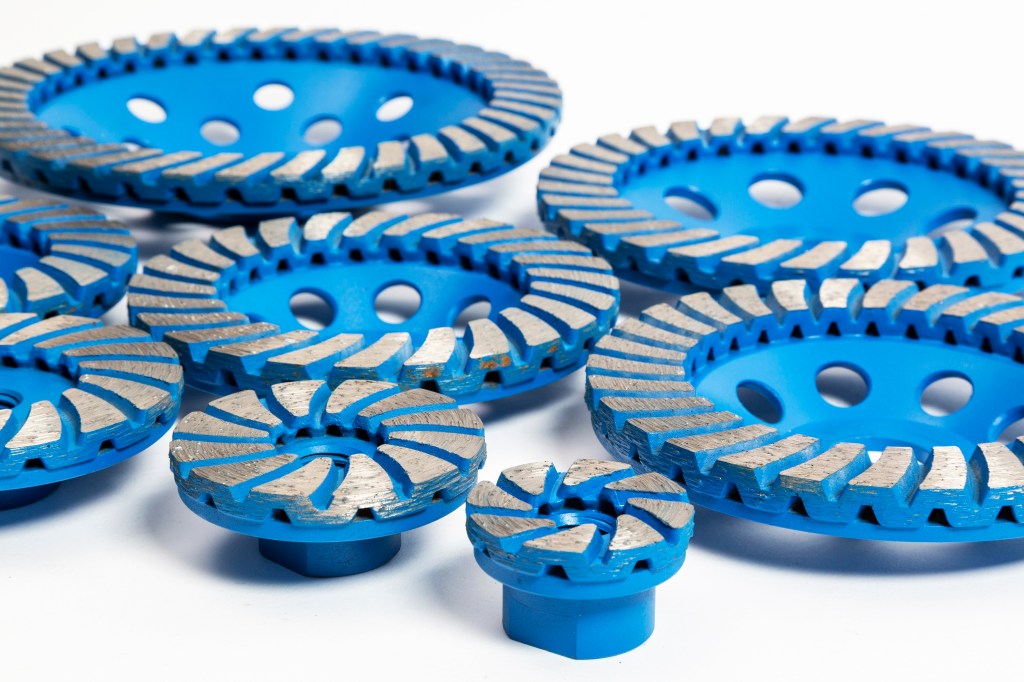
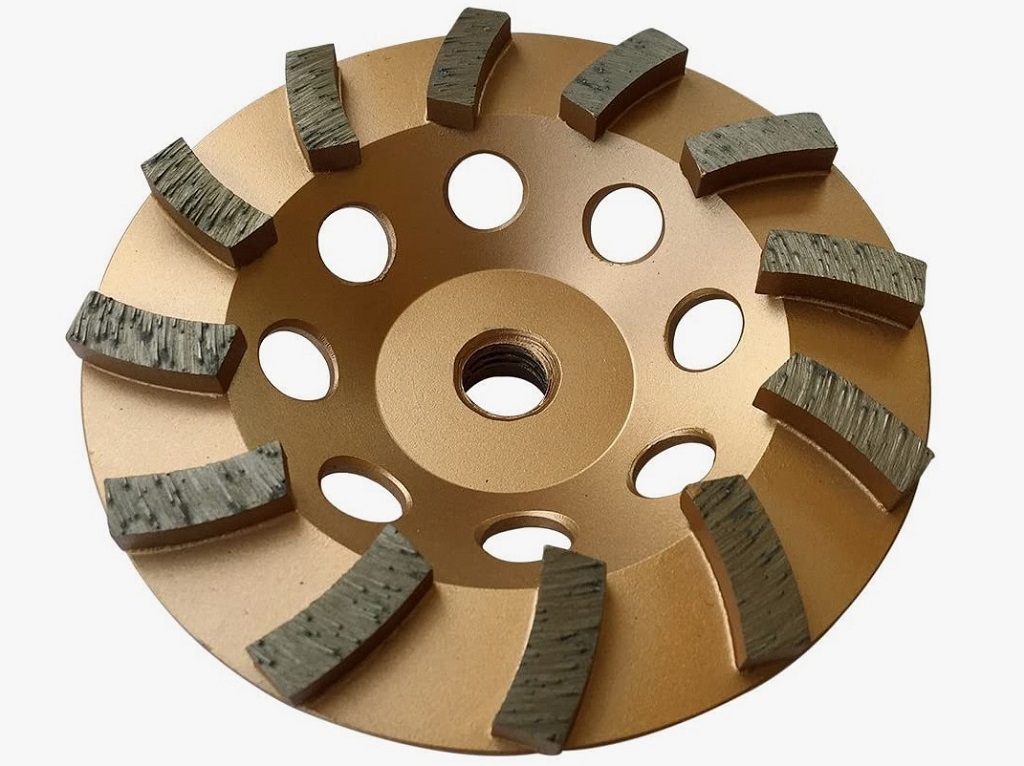
A diamond concrete grinding cup is a specialised tool designed to grind, smooth, and shape hard materials like concrete, stone, and masonry. The cup features diamond segments bonded to its surface—these industrial diamonds do the actual cutting work.
The beauty of a quality diamond coated grinding wheel lies in its construction. Premium cups use carefully selected diamond particles embedded in a metal matrix. As you work, the matrix wears away gradually, exposing fresh diamond edges. This self-sharpening action keeps the tool effective throughout its lifespan.
The Difference Between a Grinding Cup and a Floor Grinding Disc
While both tools serve similar purposes, there are key distinctions. A grinding cup attaches to angle grinders and is perfect for edges, corners, and smaller surface areas. A floor grinding disc, on the other hand, fits larger floor grinding machines designed for expansive flat surfaces.
Think of it this way: you’d use a grinding cup for detail work and spot grinding, while a floor grinding wheel handles those big warehouse floors or driveway projects.
How to Select a Diamond Grinding Wheel for Concrete
Matching the Diamond Coated Grinding Wheel to Your Surface Type
Not all concrete is created equal. Soft concrete requires a harder bond matrix, while hard concrete needs a softer bond. This might sound backwards, but here’s the logic: harder concrete wears the diamond segments faster, so you need a bond that releases diamonds more quickly to maintain cutting efficiency.
Understanding Grit Sizes and Segment Configurations
Grit size determines your finish quality:
- Coarse (16-40 grit): Aggressive material removal
- Medium (60-80 grit): General grinding and levelling
- Fine (100+ grit): Polishing and smooth finishes
Segment configuration matters too. Double-row cups offer stability and are brilliant for flat surfaces. Single-row designs cut more aggressively and handle coatings or adhesive removal better. Turbo cups provide a balance between speed and finish quality.
Choosing the Right Size: Why the 125mm Concrete Grinding Disc is a Trade Favourite
The 125mm concrete grinding disc has become the go-to choice for Australian tradies, and for good reason. It fits standard 5-inch angle grinders—the most common size on job sites. This diameter offers an ideal balance between coverage area and manoeuvrability.
Plus, the 125mm size generates less torque than larger options, giving you better control and reducing fatigue during extended use.
Types of Grinding Cups Every Tradesman Should Know
Diamond Wheel Grinder Options for Concrete Work
When it comes to concrete, you’ve got options. A diamond wheel grinder setup typically includes:
- Standard cup wheels: Your everyday workhorse
- Turbo cups: Faster cutting with cooling vents
- Segmented cups: Aggressive removal with dust channelling
Each diamond grinder wheel type suits different applications. Matching the right tool to your specific job saves time and delivers superior results.
Tile Grinding Disc: When You Need Precision on Delicate Surfaces
Working with tiles requires a different approach. A tile grinding disc features finer diamonds and a design that minimises chipping. These discs are essential for edge work, shaping cuts, and smoothing rough tile edges without causing damage.
The key is using lighter pressure and keeping the disc moving. Dwelling in one spot generates heat that can crack tiles or damage the disc’s bond.
Floor Grinding Wheel vs Floor Grinding Disc: Which One Do You Need?
Here’s a quick breakdown:
Floor Grinding Wheel:
- Fits cup-style floor grinders
- Better for aggressive levelling
- Ideal for removing coatings and adhesives
Floor Grinding Disc:
- Fits planetary floor grinders
- Provides more consistent finishes
- Better for polishing and final passes
For most trades, having access to both options provides maximum flexibility on diverse projects.
Why Do Cheap Grinding Cups Wear Out So Quickly?
Budget grinding cup typically fail for several reasons. The diamonds used are often lower quality—smaller, less consistent, and poorly bonded. The metal matrix holding these diamonds wears unevenly, causing segments to lose effectiveness rapidly.
Manufacturing shortcuts also play a role. Cheap cups often have poorly welded segments that can detach during use—a genuine safety hazard. The segment geometry might look similar to premium options, but the devils in the details.
Temperature management is another factor. Quality cups feature designs that dissipate heat effectively. Cheap alternatives overheat quickly, accelerating wear and potentially damaging the surface you’re working on.
The Real-World Benefits of Investing in Quality
Faster Job Completion and Improved Efficiency
A premium diamond concrete grinding cup simply works better. It removes material faster, maintains its cutting ability longer, and requires less pressure. This means you finish jobs quicker and move on to the next one.
Reduced Vibration and Better Control
Quality cups are precision-balanced, reducing vibration significantly. Less vibration means better control, cleaner finishes, and reduced strain on your hands and arms. Your body will thank you after a long day on the tools.
Longer Lifespan Means Fewer Replacements
While a quality grinding cup costs more upfront, it lasts considerably longer. Many premium options outlast cheap alternatives by 5-10 times, making them far more economical in the long run.
What Should You Look for When Buying a Diamond Grinder Wheel?
When shopping for a diamond grinder wheel, consider these factors:
- Diamond quality: Look for industrial-grade diamonds
- Segment height: Taller segments mean longer life
- Bond hardness: Match to your typical surface types
- Brand reputation: Established brands offer consistency
- Warranty: Quality manufacturers stand behind their products
Common Mistakes Tradesmen Make When Choosing Grinding Cups
Many trades fall into these traps:
- Buying based solely on price
- Using one cup for all applications
- Ignoring grit size recommendations
- Running cups at incorrect speeds
- Applying excessive pressure
Avoiding these mistakes extends tool life and improves your results dramatically.
How to Get the Most Out of Your Diamond Concrete Grinding Cup
Proper Technique for Concrete and Masonry
Keep the cup moving in smooth, overlapping passes. Let the diamonds do the work—excessive pressure generates heat and accelerates wear. Maintain consistent speed and angle for even results.
Maintenance Tips to Extend Tool Life
Clean your cups after each use to remove debris from the segments. Store them properly to prevent damage. If a cup seems dull, try running it briefly on abrasive material to expose fresh diamonds.
Quality Tools, Quality Results
Throughout this guide, we’ve explored why investing in quality grinding equipment makes absolute sense for professional trades. From understanding the differences between various grinding cup types to learning how to select a diamond grinding wheel for concrete, the knowledge you’ve gained will serve you well on countless future projects.
The bottom line is simple: cheap tools cost more in the long run. They wear out faster, deliver inferior results, and can even pose safety risks. A quality diamond concrete grinding cup, 125mm concrete grinding disc, or tile grinding disc pays for itself through longevity, efficiency, and superior performance.
So next time you’re tempted by that bargain-bin special, remember what we’ve discussed. Your reputation depends on the quality of your work, and your work depends on the quality of your tools. Invest wisely, and those tools will repay you many times over. Happy grinding, mate!
 Automate Direct Car
Leave a comment