
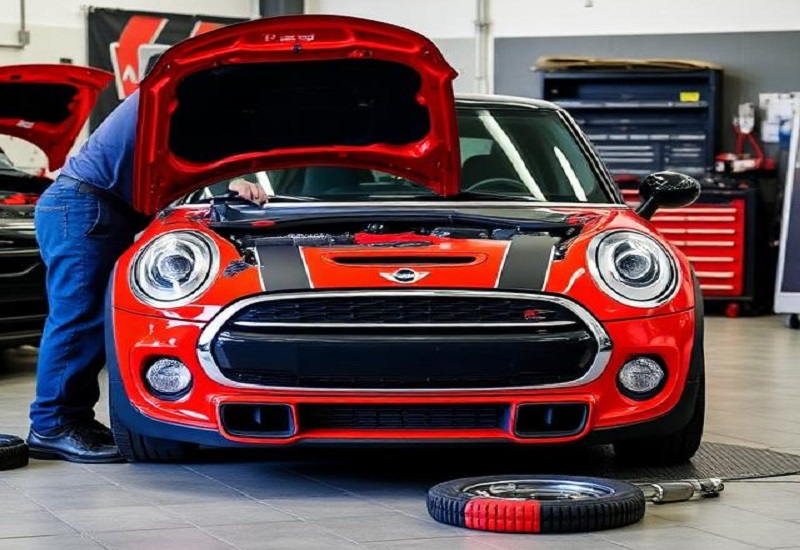
Ever wondered why your Mini Cooper feels so different from every other car on the road? Have you noticed that not every mechanic seems to truly understand what makes your beloved Mini tick? And when something goes wrong, do you find yourself questioning whether a general garage can really give your car the attention it deserves?
Your Mini Cooper isn’t just another hatchback. It’s a piece of motoring history wrapped in modern engineering, combining British heritage with German precision. These iconic little cars have captured hearts across Australia and around the world, but their unique design means they need specialist care to stay running at their best. From the tight city streets of Melbourne to the coastal roads of Sydney, Mini owners know their cars deliver something special—and that special something requires equally special attention.
In this guide, we’ll explore everything you need to know about finding the right Mini Cooper mechanic for your pride and joy. We’ll look into the engineering that makes these cars unique, examine common issues that crop up, and help you understand why specialist knowledge matters so much. Whether you’re driving a classic original or the latest BMW-era model, you’ll walk away knowing exactly how to keep your Mini purring perfectly for years to come.
The History and Engineering Behind the Mini Cooper
What Makes Mini Coopers Different from Other Vehicles?
The Mini Cooper stands apart from the crowd for good reason. When Sir Alec Issigonis designed the original Mini back in 1959, he created something revolutionary—a car that maximised interior space while keeping the exterior compact. This philosophy continues today, with modern Minis packing serious performance into a surprisingly small package.
What really sets Minis apart is their front-wheel-drive layout combined with a transverse engine position. This setup, pioneered by the original Mini, influences everything from handling characteristics to maintenance requirements. The go-kart-like driving experience Mini owners love comes from this clever engineering, but it also means standard repair approaches don’t always apply.
Plus, Minis feature tightly packed engine bays where every component fits like a puzzle piece. This makes DIY repairs challenging and requires mechanics who know exactly where everything lives and how it all works together.
Understanding BMW-Era Mini Cooper Technology
Since BMW took over Mini production in 2000, these cars have incorporated sophisticated German engineering alongside their British charm. Modern Minis feature complex electronics, turbocharged engines, and advanced suspension systems that require specialised knowledge and equipment to service properly.
The BMW-era Minis run on proprietary computer systems that communicate with dealership-level diagnostic tools. A standard code reader simply won’t cut it when you need to investigate a warning light or performance issue. This technology means your mechanic needs specific training and software access to properly diagnose and repair your car.
From the N14 and N18 engines to the latest B38 and B48 powerplants, each generation brings its own characteristics and potential trouble spots that experienced Mini specialists know inside out.
Common Mini Cooper Problems and How Specialists Address Them
Are Mini Coopers Expensive to Maintain?
Let’s be honest—Minis can cost more to maintain than your average Japanese hatchback. But expensive doesn’t have to mean prohibitive. With the right specialist who knows these cars intimately, you can avoid unnecessary repairs and catch small issues before they become wallet-draining disasters.
The key lies in preventative maintenance and choosing a mechanic who understands Mini-specific problems. A specialist will know which components to inspect during regular services and can often spot developing issues that a general mechanic might miss entirely.
Timing Chain and Engine Issues
The timing chain has become somewhat notorious in certain Mini Cooper models, particularly those with N14 engines produced between 2007 and 2010. These chains can stretch prematurely, leading to rough running, warning lights, and potentially catastrophic engine damage if ignored.
A specialist Mini mechanic will check timing chain tension during routine services and recognise the early warning signs of stretch. Catching this problem early can save you thousands compared to dealing with a complete engine failure.
Cooling System Failures
Mini Coopers run hot, and their cooling systems work hard to keep temperatures in check. Thermostat housings, water pumps, and coolant hoses are common failure points that experienced Mini mechanics watch closely.
Overheating can cause serious damage to modern Mini engines, so regular coolant system inspections are essential. A specialist knows exactly which components are most likely to fail and when to recommend proactive replacement.
Transmission and Clutch Concerns
Whether you’re driving a manual or automatic Mini, transmission issues can arise. Manual gearboxes may develop clutch problems, while automatic and CVT transmissions require specific fluid types and service intervals that differ from other vehicles.
Clutch replacement on a Mini isn’t straightforward either. The compact engine bay means significant disassembly is required, making this a job best left to someone who’s done it many times before.
Electrical System Quirks
Modern Minis feature complex electrical systems that can occasionally throw up unusual faults. From temperamental window regulators to sensor failures, electrical gremlins require patient diagnosis with proper equipment.
A Mini specialist will have encountered these quirks before and often knows the most likely culprits before even connecting diagnostic equipment.
Why Choose a Specialist Mini Cooper Mechanic?
What Should I Look for in a Mini Cooper Mechanic?
Look for mechanics who work on Minis regularly—ideally daily. Ask about their training, experience, and the diagnostic equipment they use. A good specialist will happily discuss their Mini-specific expertise and show genuine enthusiasm for these cars.
Check online reviews from other Mini owners and don’t hesitate to ask for references. The Mini community in Australia is tight-knit, and word travels fast about both excellent and subpar service providers.
Dealer vs Independent Mini Specialist: Which Is Better?
Dealerships offer factory training and guaranteed genuine parts, but independent specialists often provide more personalised service at competitive prices. Many independent Mini specialists are former dealership technicians who’ve taken their expertise into their own workshops.
The best independent specialists invest in proper diagnostic equipment and ongoing training. They can often match or exceed dealership quality while offering a more personal touch and typically lower labour rates.
The Importance of Diagnostic Equipment and Training
Modern Minis require dealer-level diagnostic tools for proper servicing. Generic scan tools simply cannot access all the systems and provide the detailed information needed for accurate diagnosis.
Make sure your chosen mechanic has invested in Mini-specific diagnostic equipment and keeps their training current. BMW regularly updates Mini systems, and mechanics need to stay informed about these changes.
Essential Mini Cooper Services and Maintenance
How Often Should a Mini Cooper Be Serviced?
Most modern Minis operate on a condition-based service system, but as a general rule, annual servicing or every 15,000 to 20,000 kilometres keeps these cars happy. However, many specialists recommend more frequent oil changes than the manufacturer suggests, particularly for turbocharged models.
Logbook Servicing for Mini Coopers
Logbook servicing maintains your warranty and preserves resale value. Any qualified Mini specialist can perform logbook servicing without voiding your factory warranty—Australian Consumer Law protects your right to choose where you service your car.
Performance Upgrades and Modifications
Many Mini owners want to extract more performance from their cars. A specialist can advise on upgrades that enhance performance without compromising reliability, from ECU tuning to exhaust systems and suspension modifications.
Mini Cooper Repairs: What to Expect
How Much Does It Cost to Service a Mini Cooper in Australia?
Basic service typically ranges from $300 to $500, while major services can reach $600 to $900 depending on what’s required. Independent specialists often charge 20-30% less than dealerships for comparable work.
Genuine vs Aftermarket Parts: Making the Right Choice
Genuine Mini parts come with quality guarantees but premium prices. Quality aftermarket alternatives exist for many components and can offer excellent value without compromising reliability. Your specialist can advise on the best option for each repair.
Warranty Considerations for New and Used Minis
Remember that using an independent specialist won’t void your warranty. However, keep all service records and ensure your mechanic uses quality parts that meet manufacturer specifications.
Signs Your Mini Cooper Needs Immediate Attention
Warning Lights and What They Mean
Never ignore warning lights on your Mini’s dashboard. The engine management light, oil pressure warning, and temperature gauge all require prompt investigation. Your specialist can quickly diagnose what’s triggered the warning and recommend appropriate action.
Unusual Sounds, Smells, and Performance Changes
Trust your instincts. If something sounds, smells, or feels wrong, get it checked. Catching problems early almost always saves money compared to waiting until something fails completely.
Finding a Trusted Mini Cooper Specialist Near You
Search for dedicated Mini specialists in your area through online directories, Mini owner forums, and local car clubs. Ask fellow Mini owners for recommendations, they’re usually happy to share their experiences with local mechanics.
Keeping Your Iconic Mini on the Road
Your Mini Cooper represents something special perfect blend of heritage, personality, and driving enjoyment that few other cars can match. Keeping it running beautifully requires a mechanic who shares your appreciation for these iconic machines and possesses the knowledge to care for them properly.
We’ve covered the unique engineering that makes Minis special, the common issues to watch for, and what separates a true Mini specialist from a general mechanic. The investment in specialist care pays dividends through reliable motoring, preserved resale value, and the peace of mind that comes from knowing your car is in expert hands.
So, take the time to find a trusted Mini Cooper specialist in your area. Your beloved Mini has brought you countless smiles behind the wheel—it deserves nothing less than precision service from someone who truly understands what makes these cars so special. Happy motoring!
 Automate Direct Car
Leave a comment