
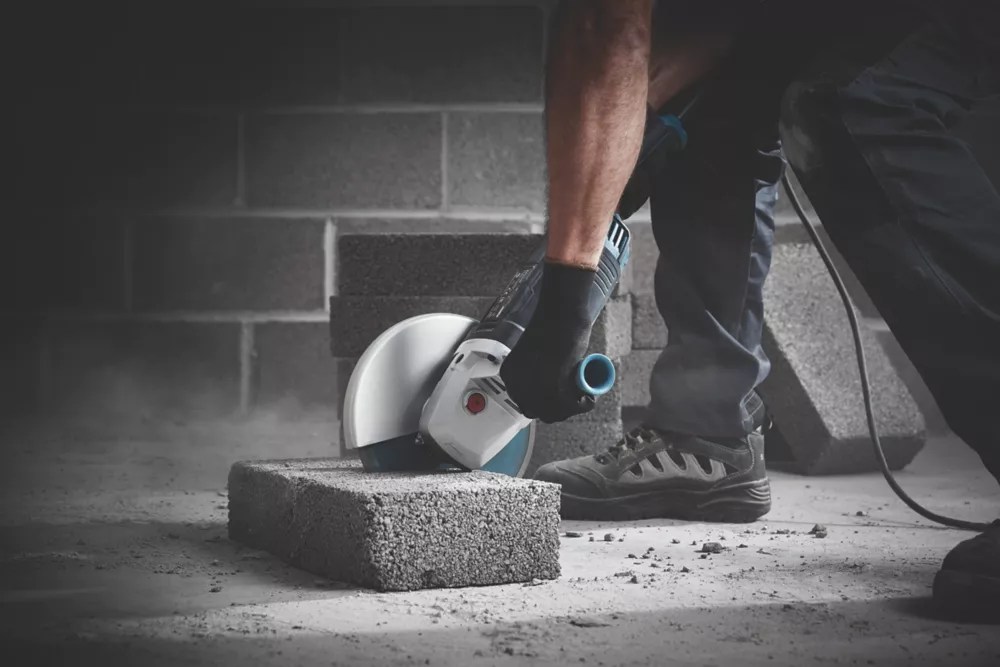
Ever found yourself staring at a worn concrete floor, wondering how on earth you’ll get it smooth again? Or perhaps you’ve just finished a renovation project and need to prep that slab for a fresh coating? Maybe you’re a tradie who’s tired of blades that wear out faster than your morning coffee goes cold?
Choosing the right concrete grinder blade can feel overwhelming. With so many options on the market, from diamond cup wheels to PCD blades, it’s easy to get lost in technical jargon. But here’s the thing – the blade you pick directly impacts your results, your efficiency, and your wallet. A quality blade transforms a frustrating job into a smooth operation, while the wrong choice leaves you with uneven surfaces and a pile of worn-out discs.
In this guide, we’ll break down everything you need to know about concrete grinder blades for powerful surface grinding. You’ll discover the different types available, learn how to match blades to your specific job, and pick up tips to extend blade life. Whether you’re a DIY enthusiast tackling your garage floor or a professional contractor, you’ll walk away knowing exactly what blade suits your needs. Let’s get stuck into it.
What Is a Concrete Grinder Blade and How Does It Work?
Understanding Diamond Grinding Technology
At the heart of most concrete grinder blades lies diamond grinding technology. Natural or synthetic diamonds are embedded into metal segments, creating an incredibly hard cutting surface. As the blade spins, these diamonds grind away at the concrete, removing material layer by layer.
The clever bit? As the diamonds wear down, new ones become exposed. This self-sharpening process keeps the blade effective throughout its lifespan. The metal matrix holding the diamonds is specifically designed to wear at a controlled rate, ensuring consistent performance.
Key Components of a Quality Grinding Blade
A well-made grinding blade consists of several essential parts. The core or base plate provides structural stability and attaches to your grinder. The segments contain the diamond grit and do the actual grinding work. The bond – the metal matrix holding everything together – determines how quickly the blade wears.
Quality blades feature precision-welded or laser-welded segments for maximum durability. Cheaper options might use sintered segments that can separate under heavy use. When you’re pushing a grinder across tough concrete, you want segments that stay firmly attached.
Types of Concrete Grinder Blades for Surface Grinding
Diamond Cup Wheels
Diamond cup wheels are the workhorses of concrete grinding. Their cup-shaped design allows for aggressive material removal and excellent surface coverage. You’ll find them in single-row and double-row configurations – single-row for faster, rougher grinding and double-row for smoother finishes.
Segmented Grinding Discs
Segmented discs feature gaps between their grinding sections. These gaps serve a crucial purpose – they help clear dust and debris while improving cooling. This design makes them brilliant for heavy-duty applications where overheating is a concern.
Turbo Grinding Blades
Turbo blades feature a continuous rim with serrated edges. This design offers a balance between aggressive cutting and a relatively smooth finish. They’re versatile performers that handle multiple concrete types effectively.
PCD (Polycrystalline Diamond) Blades
PCD blades are the specialists. They excel at removing coatings, adhesives, and epoxies from concrete surfaces. While they’re not ideal for grinding raw concrete, they’re unbeatable for surface preparation before applying new finishes.
How Do I Choose the Right Concrete Grinding Blade?
Matching Blade Type to Concrete Hardness
Here’s where many people go wrong. Concrete hardness varies significantly, and your blade choice must match. For hard concrete, you need a softer bond that wears quickly, exposing fresh diamonds. For soft, abrasive concrete, a harder bond prevents premature wear.
Australian conditions often produce harder concrete due to local aggregates. Always check what you’re working with before purchasing blades.
Grit Size and Surface Finish Requirements
Grit size directly affects your finish quality:
– Coarse Grit (16-40): Aggressive removal, rough finish.
– Medium Grit (50-80): General grinding, moderate finish.
– Fine Grit (100-200): Polishing, smooth finish.
Start coarse for heavy removal, then progress to finer grits if you need a polished result.
Wet vs Dry Grinding: Which Blade Do You Need?
Wet grinding uses water to cool the blade and suppress dust. It extends blade life and produces cleaner results. Dry grinding offers convenience and portability but generates significant dust – making proper extraction essential.
Some blades work for both applications, while others are specifically designed for one method. Check the manufacturer’s specifications before use.
What Is the Best Blade for Grinding Concrete Surfaces?
Professional-Grade vs Budget Options
Professional-grade blades cost more upfront but often prove more economical long-term. They typically feature higher diamond concentrations, superior bonding, and better segment attachment. Budget blades might seem attractive, but they wear faster and deliver inconsistent results.
For occasional DIY use, mid-range options offer reasonable value. For regular professional work, investing in premium blades pays dividends through extended lifespan and improved productivity.
Bond Hardness Explained
Bond hardness is crucial yet often misunderstood. A hard bond holds diamonds longer – ideal for soft, abrasive concrete. A soft bond releases worn diamonds quickly, exposing fresh ones – perfect for hard concrete.
Getting this backwards means either rapid blade wear or glazing over, where diamonds become dull without being released. Match your bond to your concrete for optimal performance.
Can You Use a Concrete Grinder Blade on Other Materials?
Stone and Masonry Applications
Many concrete grinding blades handle natural stone and masonry effectively. However, different materials have varying hardness levels. Granite requires different blade specifications than sandstone. Always verify material compatibility before grinding.
Coating and Paint Removal
PCD blades shine here, stripping coatings without damaging underlying concrete. Standard diamond blades can become clogged with paint and adhesives, reducing effectiveness. For coating removal, choose blades specifically designed for the task.
How Long Does a Concrete Grinder Blade Last?
Factors Affecting Blade Lifespan
Multiple factors influence how long your blade lasts:
– Concrete Hardness: Harder concrete wears blades faster.
– Grinding Pressure: Excessive pressure accelerates wear.
– Operating Speed: Running too fast or slow affects performance.
– Cooling Method: Wet grinding typically extends lifespan.
Quality blades outlast cheap alternatives significantly, sometimes by four or five times.
Signs Your Blade Needs Replacing
Watch for these warning signs:
– Reduced grinding efficiency despite proper technique.
– Visible segment wear approaching the core.
– Uneven segment wear indicating misalignment.
– Cracks or damage to segments or core.
Pushing a worn blade risks damage to your grinder and poor surface quality.
Common Mistakes to Avoid When Using Concrete Grinder Blades
The biggest mistake? Using the wrong blade for your concrete type. This leads to rapid wear or ineffective grinding. Always assess your concrete before selecting blades.
Applying excessive downward pressure seems logical but actually slows cutting and accelerates wear. Let the blade do the work with steady, moderate pressure.
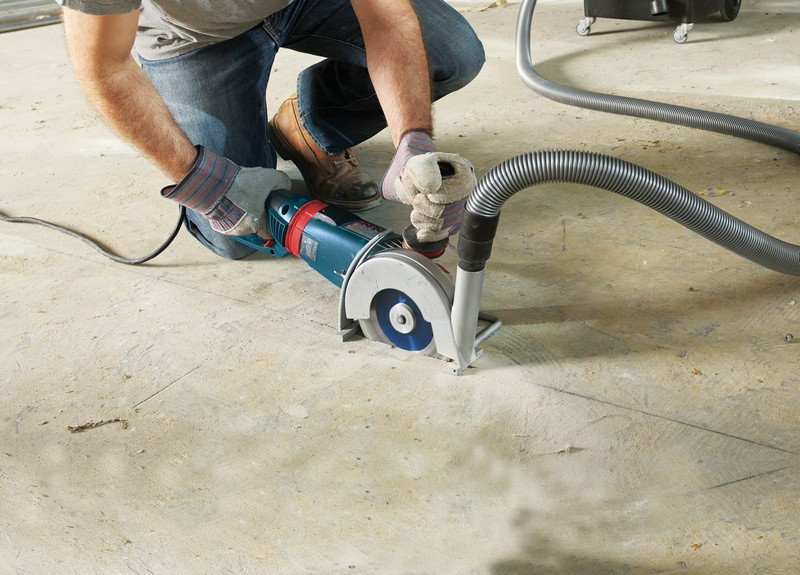
Ignoring dust extraction creates health hazards and reduces visibility. Proper extraction improves results and protects your lungs.
Safety Tips for Powerful Surface Grinding
Personal protective equipment is non-negotiable. Wear safety glasses, hearing protection, and a quality dust mask or respirator. Steel-capped boots and gloves add extra protection.
Ensure your grinder’s guard is properly positioned. Never remove or bypass safety features. Check that blades are rated for your grinder’s speed – using an incorrectly rated blade risks dangerous failure.
Work in well-ventilated areas when possible. Take regular breaks to prevent fatigue, which leads to accidents.
Where to Buy Quality Concrete Grinder Blades in Australia
Australian suppliers offer excellent options for concrete grinding blades. Major tool retailers like Bunnings and Total Tools stock various ranges. Specialist suppliers such as Diamond Tools Australia and concrete equipment hire companies often carry professional-grade options.
Online retailers provide competitive pricing and convenient delivery. However, buying from reputable suppliers ensures you receive genuine products with proper warranties.
Achieving Professional Results with the Right Blade
Selecting the right concrete grinder blade transforms challenging grinding jobs into manageable tasks. Understanding blade types, matching specifications to your concrete, and following proper techniques delivers professional-quality results every time.
Remember the key points: match bond hardness to concrete hardness, choose appropriate grit for your desired finish, and invest in quality blades that last. Proper maintenance and safety practices protect both you and your equipment.
Whether you’re smoothing a garage floor or prepping commercial spaces, the right blade makes all the difference. Take time to assess your job requirements, choose accordingly, and you’ll achieve the powerful surface grinding results you’re after. Now get out there and make some concrete dust – safely, of course!


Leave a Reply